Good to know: Cleaning isn't just one universal chore. A fast fortnightly wipe-down uses different methods, equipment, and time budgets than scrubbing mineral lime off shower enclosures or washing Baltic pine sap off balcony glass.
The Difference Between Regular and Deep Cleaning
If you have ever booked a professional cleaner and felt slightly disappointed that they didn't take apart the oven door or scrape grout behind the washing machine, you ran headfirst into the difference between regular maintenance cleaning and deep cleaning.
Regular cleaning is designed to preserve order and hygiene. It typically covers:
- Vacuuming and damp-mopping all hard floors (oiled parquet, engineered timber, tiles).
- Dusting exposed horizontal surfaces, tables, work desks, and baseboards.
- Sanitizing kitchen surfaces, cooktop splashbacks, sink basins, and exterior cupboard doors.
- Scrubbing bathroom toilets, sink fixtures, mirrors, and shower trays.
- Emptying indoor waste bins and replacing liners.
For most two-bedroom apartments in Tallinn or Riga, a regular clean takes between two and four hours every two weeks. Its goal isn't architectural restoration; it’s keeping daily dust, kitchen oils, and shoe-carried Baltic gravel from grinding into your floor finishes.
Deep cleaning, on the other hand, is a reset. It targets places you only think about twice a year: behind freestanding fridges, inside extractor fan grease filters, descaling calcified tile grout around floor drains, washing baseboards behind couches, and scrubbing interior window sills. In older Baltic buildings with cast-iron radiator ribs, deep cleaning often requires specialized slim nozzle brushes to dislodge trapped lint and heating soot.
Targeted Spaces: Kitchens, Bathrooms, and Floors
Modern Baltic kitchens lean heavily on open shelving, integrated induction tops, and minimalist matte-black or light ash cabinet fronts. While beautiful, matte finishes show finger grease instantly. A competent cleaning routine avoids abrasive scouring pads that permanently shine matte lacquer, opting instead for microfiber cloths and neutral pH degreasers.
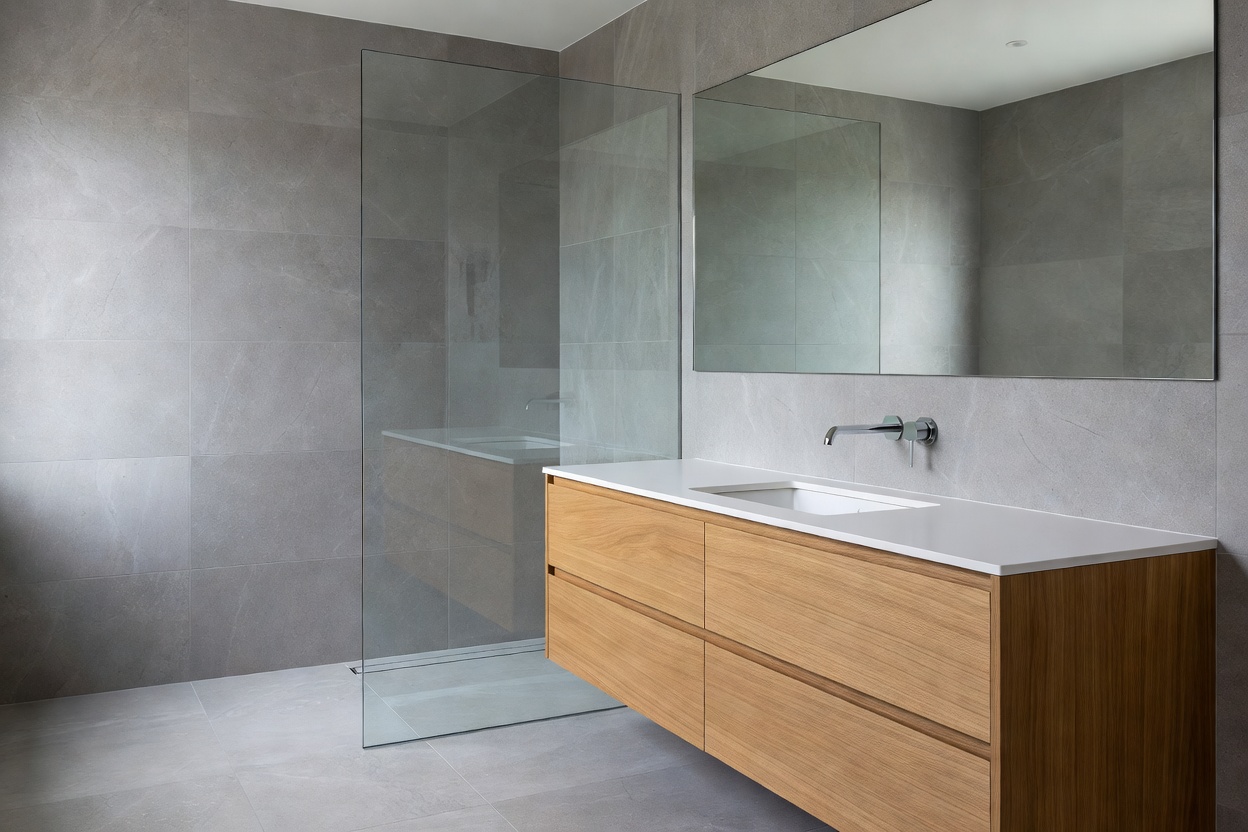
In bathrooms, the main enemy across the Baltics is water hardness. Municipal water in parts of Estonia and Latvia contains elevated levels of calcium and magnesium salts. If left unchecked, these minerals bond with soap to create a cloudy film on glass shower screens that standard glass cleaner cannot dissolve. Regular applications of mild citric-acid solutions prevent scale from etching into the glass surface without damaging delicate chrome or silicone seals.
Floor care demands special care depending on your home’s construction. Many newer Nordic apartments feature natural oiled oak parquet. These floors must never be soaked with dripping wet cotton mops, which cause timber seams to swell and cup. They require lightly dampened flat microfiber pads and specialized wood soaps that replenish the natural oil protective layer.
Window Washing and Seasonal Challenges
Windows in the Baltic region face unique punishment. In spring (April and May), birch and pine pollen blankets exterior glass in yellow dust. In autumn, driving rain mixed with sea salt or road traffic residue creates an oily haze.
Professional window cleaning generally includes washing both inside and outside panes, vacuuming the drainage channels inside modern PVC or timber-aluminum frames, and wiping down rubber perimeter gaskets. Because many regional flats feature triple-glazed casement windows or enclosed glass balconies (such as Lumon systems), window washing takes significantly longer than in milder climates with single-frame sashes.
Move-in and Move-out Cleaning (End of Tenancy)
Moving is stressful enough without having a landlord inspect behind the oven with a flashlight. Move-out cleaning is the most demanding standard in residential services. It requires the property to be completely empty of personal items so cleaners can reach every corner:
- Defrosting and disinfecting the interior of refrigerators and freezer compartments.
- Pyrolytic or manual chemical breakdown of baked grease inside ovens and baking trays.
- Washing inside all kitchen pantry drawers and bedroom wardrobes.
- Removing limescale from toilet siphons and shower waste traps.
- Cleaning ventilation intake valves and rangehood metal baffles.
Apartment vs. Detached House Considerations
Cleaning a 65 m² apartment in a new concrete build differs substantially from maintaining a 180 m² two-story timber house in Marupe or Nomme. Detached homes usually include mudrooms, multiple staircases with balustrades, secondary utility bathrooms, and direct walk-outs to garden mud. Mudrooms collect heavy loam and sand in November, demanding frequent wet extraction and rugged floor protection.
Factors That Influence Service Pricing
Professional cleaning companies in the Baltic region rarely quote fixed flat fees without understanding property variables. Pricing typically depends on:
- Square meters and ceiling height: Rooms with 3.2m historical ceilings take longer to dust and wash than standard 2.5m apartments.
- Presence of pets: Cat and dog hair in textiles and soft furnishings requires motorized HEPA brush heads.
- Current condition: A home that hasn't seen deep descaling in two years requires significantly more labor and specialized cleaning agents.
- Frequency: Regular bi-weekly schedules enjoy much lower per-visit costs than sporadic one-off callouts.
Preparation: How to Get the Most from Your Service
To ensure your cleaning budget goes toward actual cleaning rather than tidying, spend fifteen minutes clearing loose clothing, paperwork, toys, and tabletop clutter beforehand. Cleaners can then spend their time polishing surfaces, scrubbing tiles, and sanitizing appliances rather than relocating personal belongings.