The Northern Rhythm: In Estonia, Latvia, and Lithuania, the growing season is explosive. Between mid-May and late July, nearly 18 hours of daily daylight causes grass and perennials to surge. If you miss your early spring window, garden growth can quickly outpace your weekend maintenance time.
The Baltic Four-Season Gardening Cycle
Managing outdoor spaces here requires understanding the distinct challenges of each season:
1. Spring Awakening (Late March to May)
The moment snow recedes and topsoil dries enough to walk on without leaving muddy ruts, spring preparation begins. This includes raking out winter thatch, dead matted grass blades, and leftover birch seeds. Lawns benefit immensely from aerating and scarifying, followed by slow-release nitrogen-rich spring fertilizers once soil temperatures consistently pass +8°C.
Early spring is also the window for fruit tree pruning (apples, pears, and plums) before sap rises actively. Pruning dead, diseased, or crossing branches ensures sunlight reaches the canopy center, reducing fungal mildew during humid Baltic midsummers.
2. Midsummer Maintenance (June to August)
During the white nights of June and July, lawns need mowing every five to seven days. Cutting grass too short during dry spells weakens the root system against weed invasion; maintaining a height of 50–60mm preserves soil moisture.
Hedge trimming is critical in midsummer. Common regional hedges like thuja (arborvitae), alpine currant (Ribes alpinum), and cotoneaster need their first seasonal shaping in late June once new spring shoots have hardened.
3. Autumn Wind-Down (September to November)
Autumn is about soil enrichment and wind resilience. Fallen leaves from oaks, maples, and birches look picturesque, but if left in thick mats over grass through winter, they smother the lawn and foster snow mold (Microdochium nivale).
In late September or October, applying autumn fertilizer with high potassium and phosphorus (and zero nitrogen) hardens grass cell walls, helping the lawn endure freeze-thaw cycles. Perennials should be cut back, and delicate shrubs or newly planted fruit saplings need stakes secured before autumn gales strike from the Baltic Sea.
4. Winter Protection (December to March)
While active gardening ceases, outdoor maintenance shifts to protection. Heavy wet snow must be gently brushed off evergreens and thuja hedges to prevent branch splitting. In coastal zones where heavy frosts arrive without deep snow cover, burlap coverings protect young rhododendrons and boxwoods from desiccating winter winds and late-winter solar scorch.
Soil Realities: Clay, Sand, and Pine Needles
Soil across our region varies significantly depending on location:
- Coastal sand belts (e.g., Jurmala, Pirita, Palanga): Highly porous, acidic sandy soils that drain instantly and leach nutrients quickly. Here, gardening services focus on incorporating rich organic compost, biochar, and moisture-retaining mulches.
- Inland clay soils (e.g., central Lithuania and southern Latvia): Dense, heavy clay that stays waterlogged in spring and hardens into brick during dry July weeks. These soils need regular aeration, coarse sand topdressing, and raised planting beds for reliable root development.
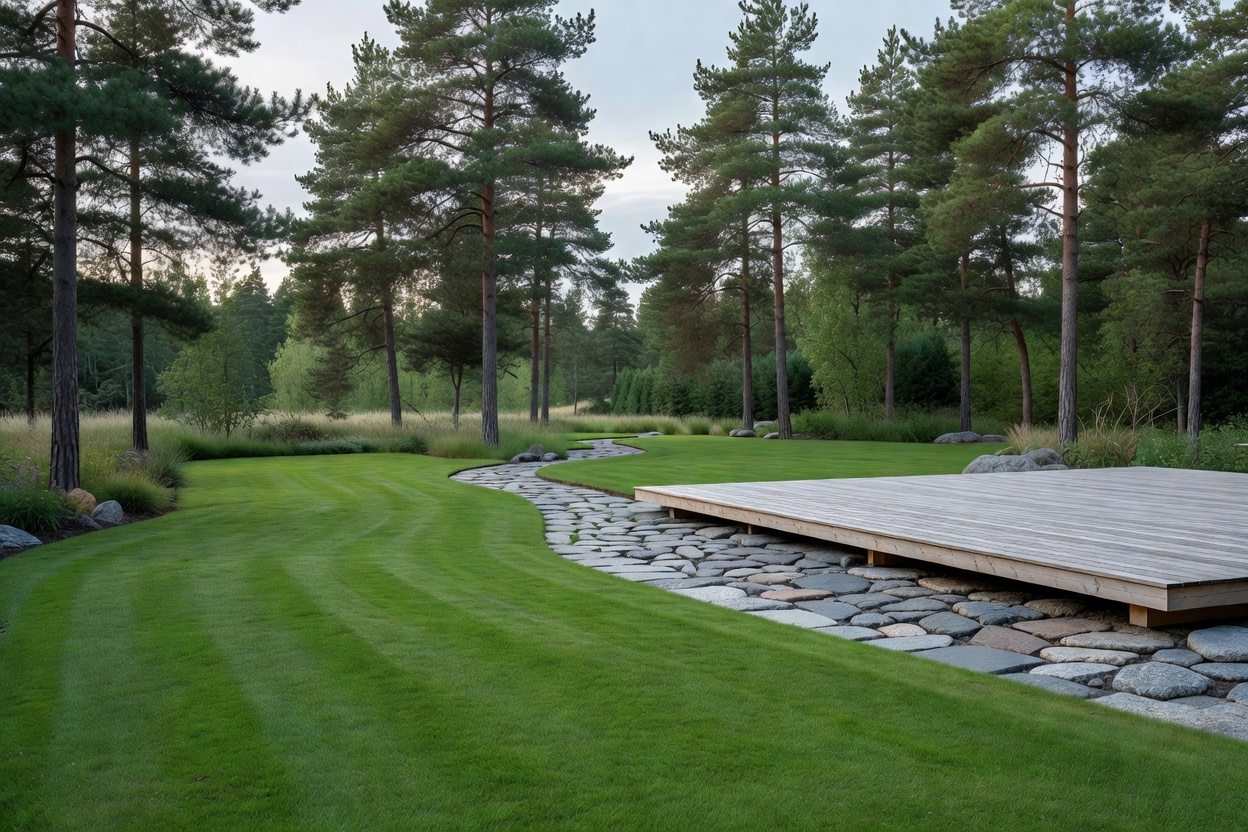
- Pine forest plots: Many suburban homes are nestled among mature Scots pines. While scenic, pine needles acidify the topsoil and shade out traditional lawn grasses. Specialized shade-tolerant fescue mixes and acid-loving understory plantings (heather, blueberries, hostas) thrive far better than stubborn Kentucky bluegrass.
Terrace, Patio, and Outdoor Living Areas
Modern Baltic living revolves around the summer terrace. Whether your deck is built from Siberian larch, thermally modified pine (Thermowood), or composite boards, winter weather leaves a green film of algae and micro-moss.
Terrace care involves gentle pressure washing with biodegradable wood cleaners that strip organic scum without raising wood grain, followed by re-oiling with UV-resistant wood stains in early summer. Granite paving joints should be swept clean and topped up with polymer joint sand to discourage dandelion and moss germination.
Property Size and Garden Service Scope
Gardening labor requirements depend on terrain accessibility, green waste logistics, and planting density:
- Townhouse courtyards (50–150 m²): High detail work, container planting, manual hedge shaping, and terrace cleaning.
- Suburban plots (800–1,500 m²): Ride-on mowing, extensive perimeter hedge trimming, leaf vacuuming, and seasonal bed preparation.
- Green waste disposal: Hauling away several cubic meters of wet autumn leaves or heavy thuja trimmings requires dedicated trailer transport to municipal bio-waste centers.